Player Questions Around Round Timer
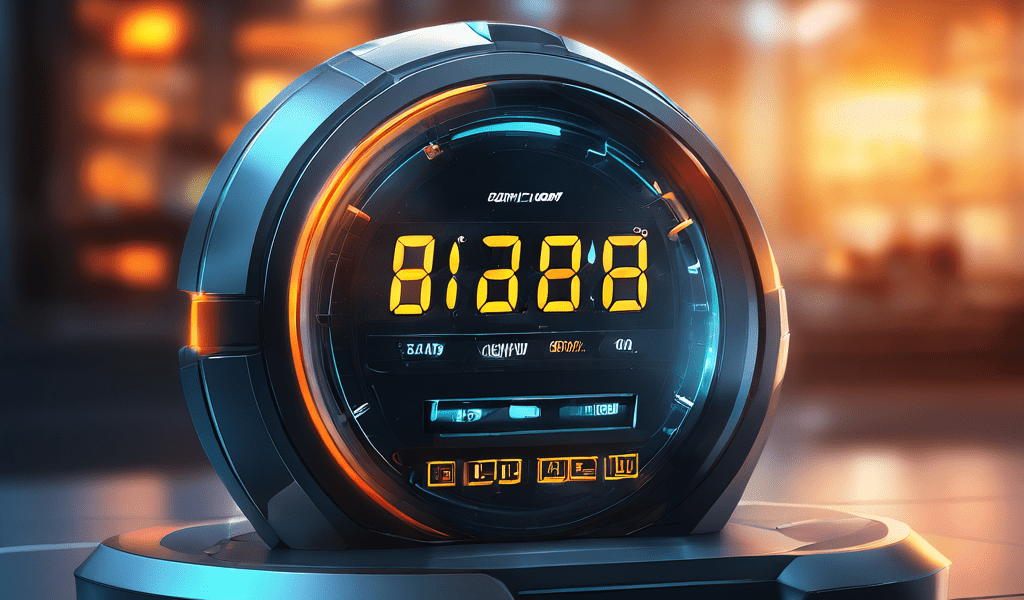
Timer on the Screen
The most visible part of a round timer is the countdown displayed on the game screen or table interface. For a live dealer table or a digital card game, this number often starts at a set value, such as fifteen or thirty seconds, and ticks down to zero. Seeing this timer for the first time might lead someone to assume it represents the exact time remaining to make a decision. In many cases, that assumption is correct, but the timer can also reflect a system-side delay or a buffer period that the platform builds in for connection stability. A timer that reaches zero does not always mean the round closed instantly. There can be a brief processing window after the visible count ends, especially in games where multiple players must confirm actions.
The visible label itself, often worded as “Time Remaining” or “Place Bets,” sets the expectation, but the actual cutoff moment may lag by a fraction of a second. The gap matters most when trying to place a last-second bet. The timer on the screen is a guide, not a precise millisecond boundary, and the difference between seeing zero and the round closing can vary by game type and connection speed.

Why the Timer Resets Unexpectedly
A more confusing moment occurs when the round timer resets without a new round starting. Watching the countdown may reveal it jumping back to a higher number while the same betting window remains open. This can happen when the system detects an incomplete action from another participant, or when the game software refreshes the timer to accommodate a late join. In live dealer settings, the physical dealer may also pause the round to clarify a rule or resolve a card issue, and the timer resets to reflect that pause.
Encountering this reset might be interpreted as a glitch or a sign that the platform is unreliable. In most cases, it is a normal part of how the round timer functions in a multiplayer or live environment. The reset does not extend the betting window indefinitely, but it does break the simple expectation that the timer moves only forward. Understanding that the timer can reset under specific conditions helps avoid misreading the round status or assuming the game is broken when the countdown behaves differently than expected.
Timer and Bet Confirmation
The relationship between the round timer and bet confirmation is another point where visible cues can mislead. Placing a bet with several seconds left on the timer may result in seeing the bet marked as pending or unconfirmed when the round closes. This happens because the timer on the screen and the server-side timer are not always perfectly synchronized. The local countdown may show two seconds remaining, but the server may have already closed betting. The visible wording on the bet slip or confirmation area, such as “Pending” or “Waiting for Dealer,” can add to the confusion. Checking the timer and seeing time remaining may lead someone to assume the bet was accepted, but the actual acceptance depends on when the server registered the action, not when the local display reached zero. This same reliance on indirect cues is reflected in Review Habits Built Around Member Ranking Clues, where users interpret system signals through patterns and perceived trust markers rather than relying solely on explicit interface states.
This mismatch is more common in games with high player volume or slower internet connections. Checking the bet status after the round starts, rather than trusting the timer alone, gives a clearer picture of whether the wager was actually placed. The timer is a useful reference, but it is not a guarantee of acceptance.
FAQ
Question: Does the round timer always mean I have that exact amount of time to bet?
Answer: Not always. The visible timer is usually close to the actual deadline, but server-side processing and connection delays can shift the cutoff by a fraction of a second. In some games, the timer also includes a brief buffer period after it reaches zero. It is safer to place bets a few seconds before the timer ends rather than waiting until the last moment.
Question: Why does the timer sometimes jump back to a higher number in the middle of a round?
Answer: A timer reset usually happens when the system needs to accommodate an incomplete action, a late player join, or a pause from the live dealer. It is not a glitch in most cases, but a normal part of how multiplayer and live games handle timing. The reset does not extend the round indefinitely, but it can shift the betting window slightly.
Question: If I place a bet while the timer still shows time, is my bet always accepted?
Answer: No. The timer on your screen and the server timer are not always synchronized. Your local display may show time remaining, but the server may have already closed betting. It is best to check the bet status after the round starts to confirm whether the wager was accepted, rather than relying solely on the timer reading.